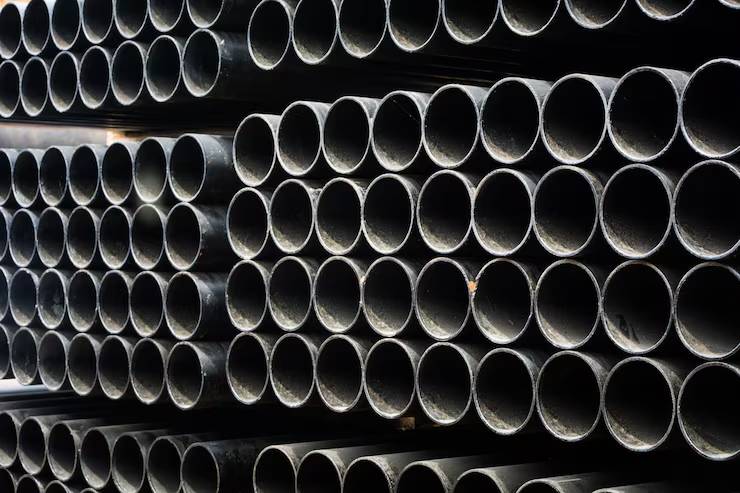
Understanding Ductile Iron Pipes and Their Applications
Ductile iron pipes are widely used in water supply networks, sewage systems, and industrial infrastructure because of their strength, durability, and ability to handle demanding operating conditions. These pipes are manufactured using ductile cast iron, a material known for its mechanical strength and flexibility compared to traditional grey cast iron.
With their reliable performance and versatile applications, ductile iron pipes have become an important choice for municipal authorities, infrastructure developers, contractors, and industrial projects.
What Are Ductile Iron Pipes?
Ductile iron pipes are pipeline products manufactured from cast iron in which graphite is present in a spheroidal or nodular form. This structure provides improved ductility, tensile strength, and impact resistance compared to conventional grey cast iron.
These pipes are available in different diameters, pressure classes, and joint configurations to meet various project requirements. They are commonly supplied with protective internal and external coatings depending on their intended application and operating environment.
Key Features of Ductile Iron Pipes
Ductile iron pipes offer several features that make them suitable for water infrastructure and industrial pipeline installations. Their material properties and protective coatings contribute to dependable performance under appropriate operating conditions.
Strength and Durability
Ductile iron pipes are designed to withstand internal pressure and external loading when selected and installed according to applicable standards. Their strong construction makes them suitable for underground and above-ground pipeline applications.
Flexibility and Impact Resistance
The ductile structure of the material provides better flexibility and impact resistance than traditional grey cast iron, helping pipes accommodate certain installation and operating stresses.
Corrosion Protection
Protective coatings and linings help safeguard ductile iron pipes against corrosion. The appropriate coating system should be selected according to soil conditions, water quality, and environmental exposure.
Multiple Sizes and Joint Options
Ductile iron pipes are available in different diameters and connection arrangements, including push-on and mechanical joints, making them suitable for a variety of pipeline layouts.
Major Applications of Ductile Iron Pipes
Ductile iron pipes are used across several sectors where reliable transportation of water and other compatible fluids is required.
1. Municipal Water Supply Systems
One of the major applications of ductile iron pipes is municipal water distribution. They are used to transport treated water from treatment facilities to reservoirs, distribution networks, and residential areas.
2. Sewage and Wastewater Management
Ductile iron pipes are used in suitable wastewater collection and transportation systems. Their selection depends on the characteristics of the wastewater, operating conditions, and required internal lining and external protection.
3. Industrial Pipeline Systems
Industrial facilities use ductile iron pipes for compatible water distribution, process water, and utility pipeline networks. The pipe material and specifications should be selected according to the fluid type, temperature, and operating pressure.
4. Infrastructure and Construction Projects
Ductile iron pipes are commonly used in infrastructure development, including underground water networks, commercial developments, public utilities, and large construction projects.
5. Fire Protection Networks
Suitable ductile iron pipe systems are also used in underground fire water distribution networks. The selected pipes and fittings must meet the applicable fire protection system requirements and project specifications.
Types of Ductile Iron Pipe Joints
The jointing system is an important consideration when selecting ductile iron pipes. Different joint types are available depending on installation conditions, pressure requirements, and pipeline design.
Push-On Joints: These joints use a rubber gasket to create a sealed connection between compatible pipe ends. They are commonly used in water distribution networks.
Mechanical Joints: Mechanical joints use components such as glands, bolts, and gaskets to secure pipe connections. They are useful in applications requiring a mechanical connection arrangement.
Flanged Joints: Flanged connections use matching flanges and suitable gaskets and fasteners. They are commonly used near pumps, valves, treatment equipment, and other pipeline components.
How to Choose the Right Ductile Iron Pipe
Selecting the right ductile iron pipe requires careful consideration of project specifications and operating conditions. Buyers should evaluate the following factors before purchasing:
Pipe Diameter: Select the diameter according to the required flow capacity and pipeline design.
Pressure Class: Check the required pressure class and ensure that the pipe system is suitable for the maximum operating and surge pressures.
Material and Standards: Verify material specifications, applicable manufacturing standards, and quality documentation.
Joint Type: Choose a compatible joint arrangement based on the pipeline layout and installation requirements.
Coating and Lining: Consider internal lining and external coating requirements according to water quality, soil conditions, and environmental exposure.
Supplier Reliability: Review product specifications, availability, delivery timelines, and technical support before finalizing an order.
Importance of Proper Installation and Maintenance
Proper installation plays an important role in the performance and service life of ductile iron pipelines. Pipes should be handled carefully during transportation and installation to avoid damage to their protective coatings and linings.
Correct joint assembly, suitable bedding, proper alignment, and appropriate backfilling practices help maintain pipeline stability. Pressure testing and inspection should also be carried out according to project specifications and applicable standards.
Periodic inspection and timely maintenance can help identify leakage, coating damage, or other issues before they affect pipeline performance.
Why Ductile Iron Pipes Are Preferred for Infrastructure Projects
Ductile iron pipes offer a combination of mechanical strength, ductility, and multiple jointing options. Their availability in different sizes and pressure classes makes them suitable for a wide range of water infrastructure and industrial applications.
When selected according to engineering requirements and installed correctly, these pipes can provide dependable service for long-term pipeline projects.
Final Thoughts
Ductile iron pipes are an important part of modern water distribution, wastewater management, and industrial infrastructure. Their strength, flexibility, and availability in different specifications make them a practical choice for many pipeline applications.
Narayana Engineering Industries offers a range of industrial pipes, ductile iron valves, pipe fittings, dismantling joints, and other pipeline products. Contact the team to discuss your project requirements, product specifications, and quotation details.