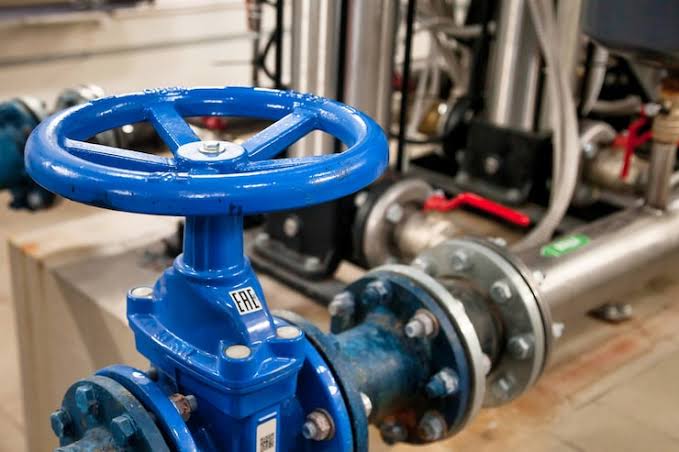
How to Select the Right Industrial Valve
Selecting the right DI (Ductile Iron) Sluice Valve is important for maintaining reliable flow control in water supply networks and industrial piping systems. The correct valve helps isolate sections of a pipeline when maintenance or repairs are required.
Before purchasing a sluice valve, buyers should consider the pipe diameter, operating pressure, material quality, water application, and installation requirements. These factors help determine whether the selected valve is suitable for the intended system.
1. Understand the Valve Size
Valve size should match the pipeline specifications and connection requirements. Common sizes are selected according to the design of the water distribution network. For example, a 150mm DI Sluice Valve is intended for compatible 150mm piping connections.
Always verify the nominal diameter, flange dimensions, and applicable connection standards before confirming your order.
2. Check the Material Quality
Ductile iron is commonly used for industrial valves because of its strength and suitability for many water infrastructure applications. When evaluating a valve, review its material specifications, manufacturing quality, and suitability for the operating environment.
A suitable protective coating can also help protect the valve surface. Confirm the coating type and applicable requirements with the supplier.
3. Consider the Operating Pressure
Every piping system operates within a specified pressure range. The valve's pressure rating must be compatible with the system's operating conditions and applicable design requirements.
Check the valve's rated pressure, flange rating, and relevant technical documentation before installation. Do not select a valve based only on its size or external appearance.
4. Confirm the Application
DI sluice valves are widely used in water distribution networks, commercial water supply systems, and infrastructure projects. They are generally used to isolate or stop flow rather than regulate flow continuously.
Confirm that the valve is designed for the intended medium, working temperature, and installation conditions.
5. Review Supplier and Delivery Details
Before placing a bulk order, review the minimum order quantity, product specifications, payment terms, packaging arrangements, and delivery schedule. Request technical documentation wherever required for your project.
Clear communication with the supplier can help reduce specification mismatches and make procurement easier.
Final Thoughts
Choosing the right DI Sluice Valve involves checking size, material, pressure rating, application, and supplier details. Careful evaluation helps buyers select a valve that matches their piping system requirements.
Narayana Engineering Industries supplies industrial piping products, valves, joints, and fittings for a range of applications. Contact the team to discuss your product specifications and quotation requirements.